Nigerian
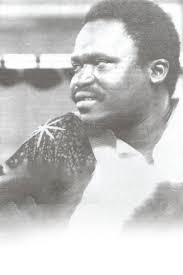
Rufus Ogundele
Nationality
Nigerian
Date Of Birth | Death
b. 1946 | d. 1996
Biography
Biography
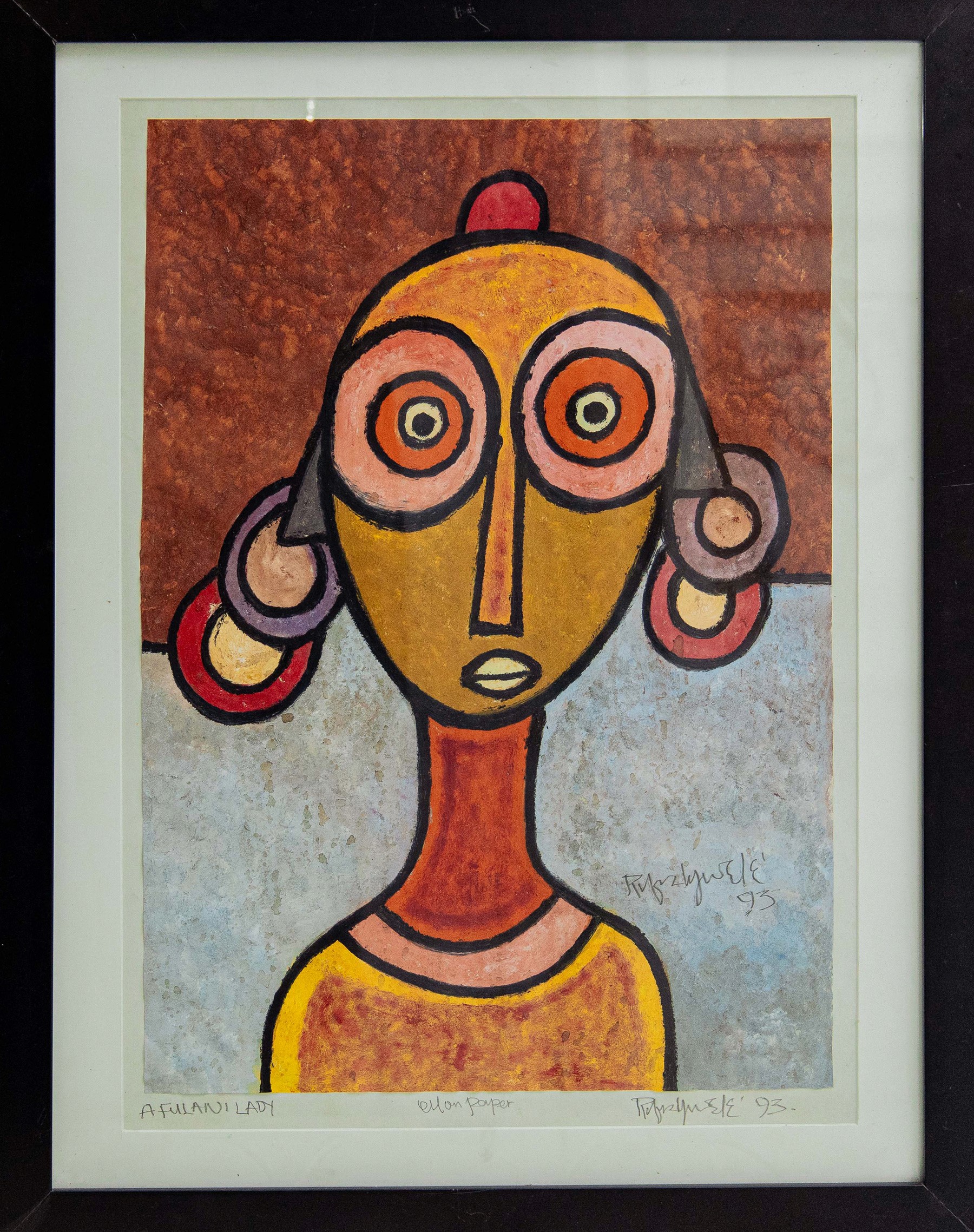
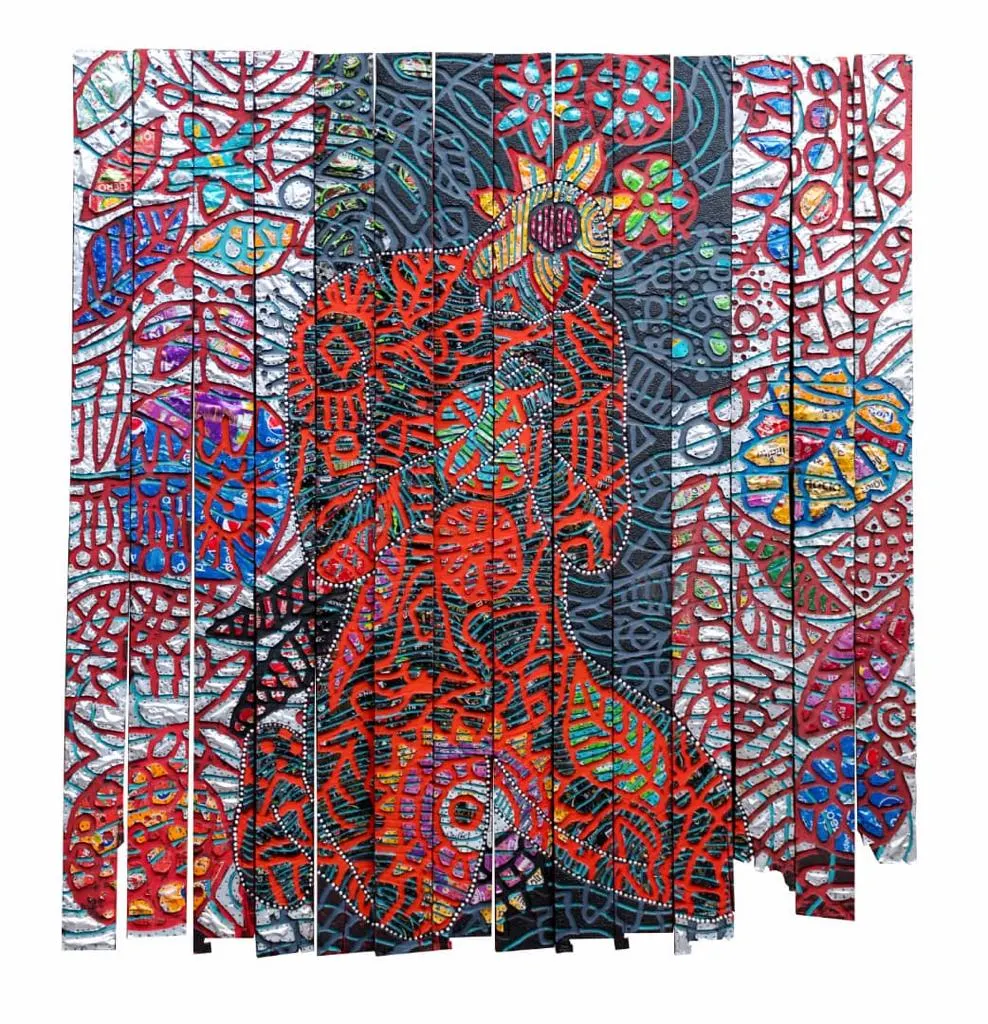
b. 1946, Oshogbo, Nigeria | d. 1996 Rufus Ogundele was a pioneering Nigerian artist celebrated for his vibrant paintings that blend traditional Yoruba aesthetics with modernist techniques. Born in Oshogbo, he began his artistic journey as a musician and actor in his uncle Duro Ladipo’s renowned theatre company. In 1963, he participated in Denis Williams' workshop organized by Ulli and Georgina Beier, marking the beginning of his formal art education. Initially working with emulsion paints, Ogundele later developed his skills as a printmaker under Georgina Beier's guidance, focusing on linocut techniques. His early works were characterized by large-scale compositions, often using emulsion paints, and he later became known for his printmaking skills, particularly in linocut techniques. Ogundele's art is distinguished by its use of bold geometric forms and symbolic imagery, reflecting his deep engagement with Yoruba cultural themes. His paintings often feature fantasy images rendered in geometric compartments, successfully combining exoteric images as geometric designs to adorn the pictorial surface. He was one of the few famous pioneers of the Oshogbo workshop-trained artists, integrating European artistic techniques with traditional Yoruba culture. His works have been exhibited internationally, including in Nigeria, the United States, the United Kingdom, Germany, Ghana, Kenya, Czechoslovakia, Canada, and Japan. Notably, his works were shown in a Smithsonian Institution traveling exhibition from 1966 to 1968 and were featured at the Institute of Contemporary Art in London during this period. Ogundele's legacy continues to influence contemporary African artists, and his works remain celebrated for their innovative fusion of cultural heritage and modern artistic expression.
b. 1946, Oshogbo, Nigeria | d. 1996 Rufus Ogundele was a pioneering Nigerian artist celebrated for his vibrant paintings that blend traditional Yoruba aesthetics with modernist techniques. Born in Oshogbo, he began his artistic journey as a musician and actor in his uncle Duro Ladipo’s renowned theatre company. In 1963, he participated in Denis Williams' workshop organized by Ulli and Georgina Beier, marking the beginning of his formal art education. Initially working with emulsion paints, Ogundele later developed his skills as a printmaker under Georgina Beier's guidance, focusing on linocut techniques. His early works were characterized by large-scale compositions, often using emulsion paints, and he later became known for his printmaking skills, particularly in linocut techniques. Ogundele's art is distinguished by its use of bold geometric forms and symbolic imagery, reflecting his deep engagement with Yoruba cultural themes. His paintings often feature fantasy images rendered in geometric compartments, successfully combining exoteric images as geometric designs to adorn the pictorial surface. He was one of the few famous pioneers of the Oshogbo workshop-trained artists, integrating European artistic techniques with traditional Yoruba culture. His works have been exhibited internationally, including in Nigeria, the United States, the United Kingdom, Germany, Ghana, Kenya, Czechoslovakia, Canada, and Japan. Notably, his works were shown in a Smithsonian Institution traveling exhibition from 1966 to 1968 and were featured at the Institute of Contemporary Art in London during this period. Ogundele's legacy continues to influence contemporary African artists, and his works remain celebrated for their innovative fusion of cultural heritage and modern artistic expression.
Artworks Within Collection
Artworks Within Collection
More Custodians
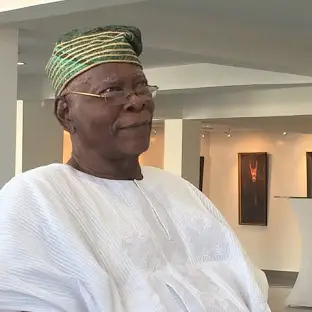
"None of us live forever... We are all custodians, holding and promoting art for the next generation. We should all act as patrons and protectors, passing on our culture to the next generation."
Osahon Okunbo
Founder & Philanthropist
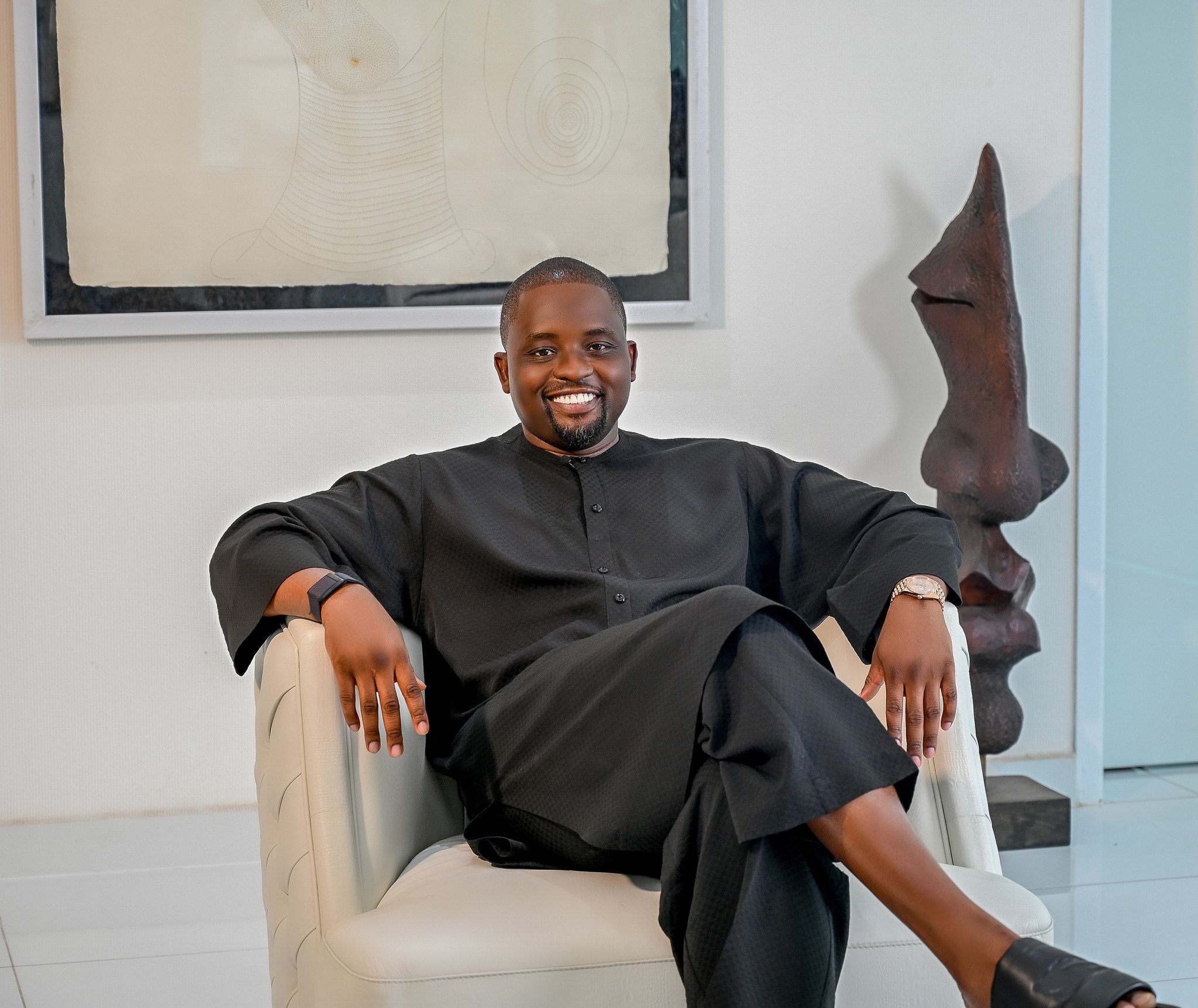

"None of us live forever... We are all custodians, holding and promoting art for the next generation. We should all act as patrons and protectors, passing on our culture to the next generation."
Osahon Okunbo
Founder & Philanthropist
"None of us live forever... We are all custodians, holding and promoting art for the next generation. We should all act as patrons and protectors, passing on our culture to the next generation."
Osahon Okunbo
Founder & Philanthropist